Popcorn is a timeless snack that has been enjoyed by people of all ages for generations. While bagged microwave popcorn is convenient, there's something truly special about making popcorn on the stove from scratch. When you know how to make popcorn on the stove simply from popcorn kernels and oil, you'll always choose stovetop popcorn over its bagged microwave counterpart. In this article, we'll explore the basics of cooking stovetop popcorn, from selecting the right ingredients to achieving that perfect, fluffy pop.
First and foremost, let's talk about the ingredients. You'll need two main components: popcorn kernels and oil. When it comes to popcorn kernels, there are a variety of options available. You can choose from traditional yellow kernels or opt for the more unique white kernels. Both types will pop nicely, but some people prefer the flavor and texture of one over the other. As for the oil, you have several choices as well. Canola oil is a popular option because it has a neutral flavor and a high smoke point, which means it won't burn easily during the popping process. Other good choices include vegetable oil and coconut oil, which can add a subtle, delicious flavor to your popcorn.
Once you've gathered your ingredients, it's time to start cooking. Begin by selecting a large, heavy - bottomed pot with a tight - fitting lid. A heavy - bottomed pot will distribute heat evenly, ensuring that your popcorn pops uniformly. Pour about 1/4 cup of oil into the pot and place it over medium - high heat. Let the oil heat up for a few minutes. To test if the oil is hot enough, drop in one or two popcorn kernels. If they pop within a few seconds, the oil is ready.
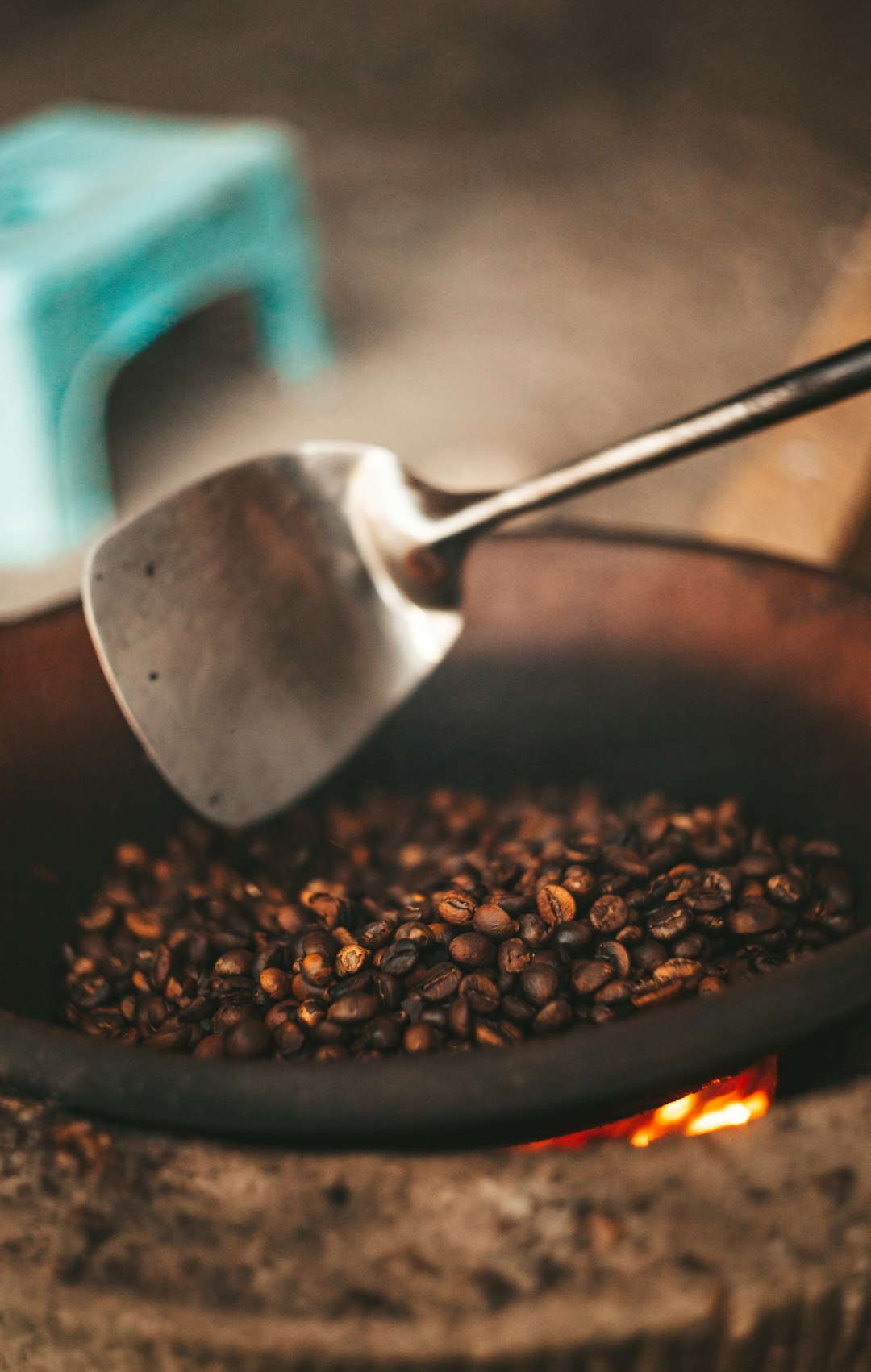
Next, add about 1/3 to 1/2 cup of popcorn kernels to the hot oil. Immediately cover the pot with the lid. You'll start to hear the kernels begin to pop within a minute or two. As the popping starts, gently shake the pot back and forth over the heat. This helps to prevent the kernels from burning and ensures that they all get an equal chance to pop. Keep shaking the pot until the popping slows down to about one pop every few seconds.
Once the popping has slowed significantly, remove the pot from the heat. Be careful when removing the lid, as steam will escape. Pour the freshly popped popcorn into a large bowl. Now comes the fun part: seasoning. You can keep it simple with just a sprinkle of salt, or you can get creative and add a variety of seasonings. Some popular options include butter, cheese powder, caramel sauce, or even a spicy chili powder. The possibilities are endless, and you can customize your popcorn to suit your taste preferences.
One of the advantages of making popcorn on the stove is that you have complete control over the ingredients. You can choose high - quality, natural kernels and oils, and avoid the artificial flavors and preservatives often found in bagged microwave popcorn. Additionally, stovetop popcorn is often fluffier and has a better texture than its microwave counterpart. The kernels pop more fully, resulting in a lighter, airier snack.
Another benefit is the cost. Buying popcorn kernels and oil in bulk is generally much more cost - effective than purchasing pre - packaged microwave popcorn. You can make large batches of popcorn at home for a fraction of the price, making it a great option for movie nights, parties, or just a quick snack on a lazy afternoon.
However, making popcorn on the stove does require a bit of attention and practice. It's important to monitor the heat and the popping process to ensure that your popcorn turns out perfectly. If the heat is too high, the kernels may burn before they have a chance to pop. On the other hand, if the heat is too low, the popping may be slow and uneven.
In conclusion, learning how to make popcorn on the stove is a valuable skill that can enhance your snack - making repertoire. With just a few simple ingredients and a little bit of patience, you can enjoy delicious, homemade popcorn that is far superior to the bagged microwave variety. So, the next time you're in the mood for a snack, skip the microwave and head to the stove. Your taste buds will thank you!