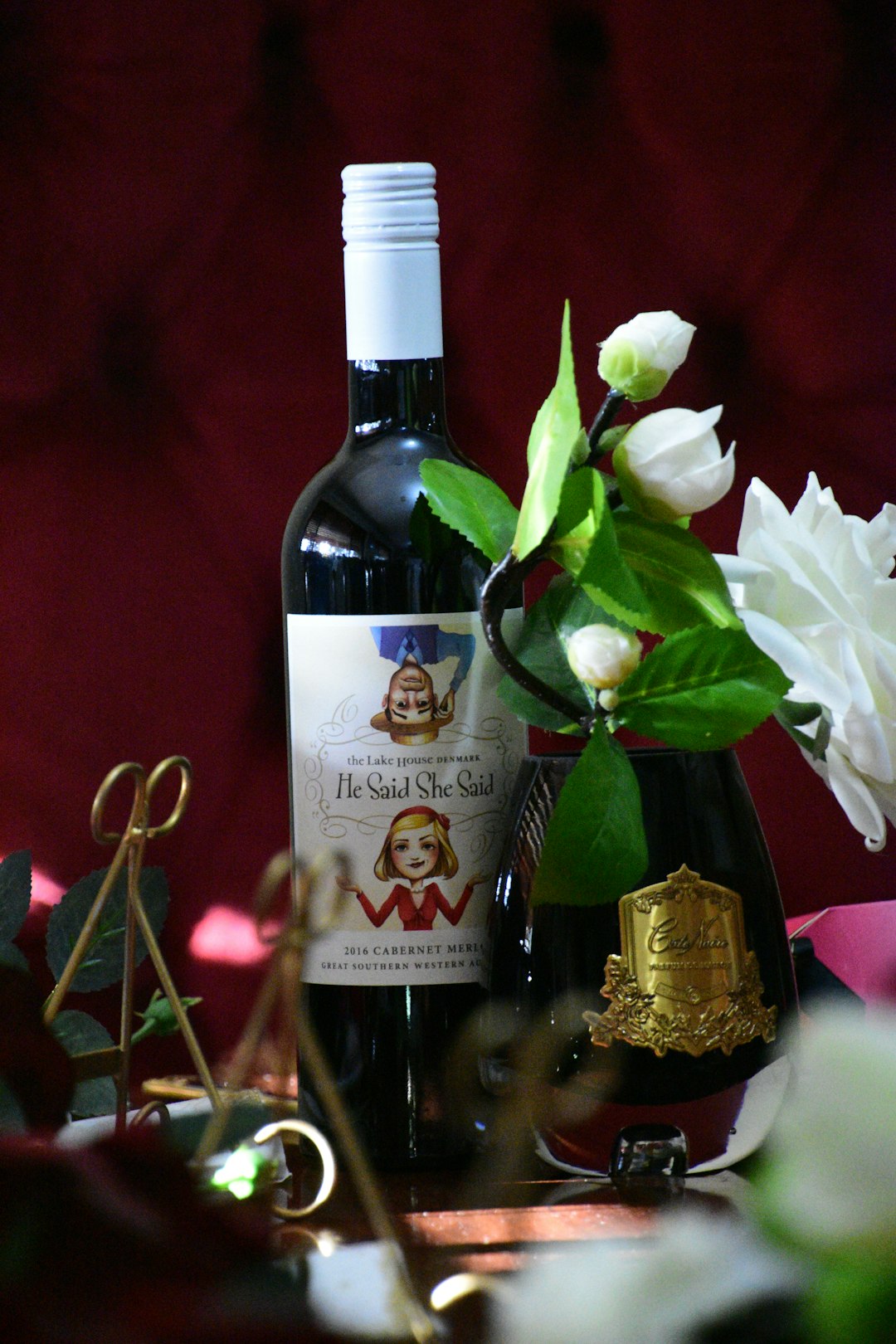
White wine, a beloved beverage with a rich history and diverse range of flavors, has captivated the palates of wine enthusiasts for centuries. From the sweet and luscious to the dry and crisp, white wine offers a spectrum of tastes that can complement a variety of dishes and occasions. In this guide, we will explore the different types of white wine, how it is made, how to cook with it, and the best ways to serve it.
Types of White Wine
White wine can be broadly classified into several categories based on its sweetness level, grape variety, and region of origin. Here are some of the most popular types:
- Dry White Wine: Dry white wines have very little residual sugar, resulting in a crisp and refreshing taste. Examples include Sauvignon Blanc, Pinot Grigio, and Chablis. These wines are often paired with seafood, salads, and light appetizers.
- Off - Dry White Wine: Off - dry white wines have a slightly sweet taste, with a bit more residual sugar than dry wines. Chenin Blanc and Riesling can often be found in off - dry styles. They pair well with spicy foods, as the sweetness can balance the heat.
- Semi - Sweet White Wine: Semi - sweet white wines offer a more pronounced sweetness. Moscato d'Asti is a well - known semi - sweet wine. It is a great choice for dessert or as an aperitif.
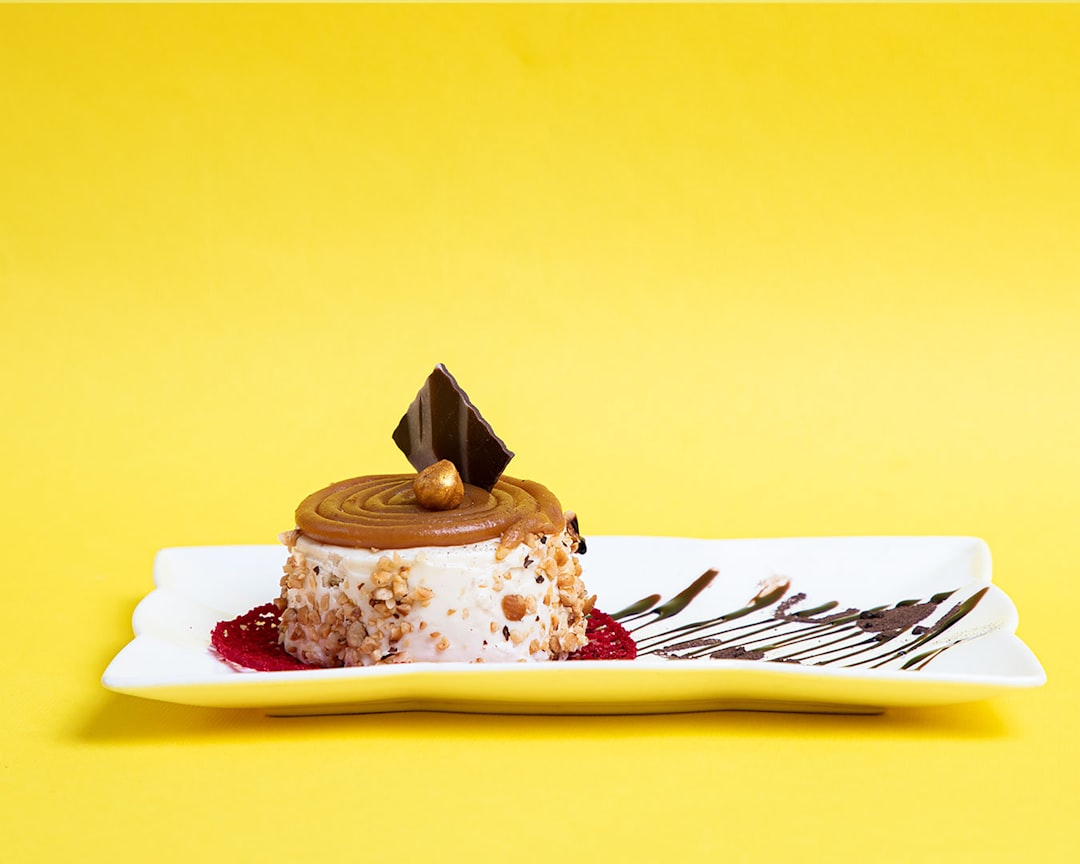
- Sweet White Wine: Sweet white wines are rich in sugar and have a syrupy texture. Sauternes and Tokaji are famous sweet white wines. They are typically served as dessert wines and can be paired with rich, creamy desserts.
How White Wine is Made
The process of making white wine begins with the harvesting of grapes. The grapes are then crushed, and the juice is separated from the skins. Unlike red wine, white wine is usually fermented without the skins, which gives it its light color. After fermentation, the wine is aged in barrels or stainless - steel tanks. Barrel aging can add complexity and flavor to the wine, while stainless - steel tanks preserve the fresh, fruity flavors of the grapes.
Cooking with White Wine
White wine is a versatile ingredient in the kitchen. It can be used to deglaze pans, add flavor to sauces, and tenderize meats. Here are some tips for cooking with white wine:
- Choose the Right Wine: For cooking, it's best to use a wine that you would enjoy drinking. Avoid using cooking wines that are often high in salt. A dry white wine like Sauvignon Blanc is a good all - purpose choice for most recipes.
- Deglazing: When deglazing a pan after cooking meat or vegetables, pour in a small amount of white wine. The heat will cause the wine to evaporate, releasing the flavors and scraping up the browned bits from the bottom of the pan, which adds depth to the sauce.
- Making Sauces: White wine can be the base for many delicious sauces. For example, a classic white wine and butter sauce can be made by reducing white wine with shallots, then adding butter and cream. This sauce is perfect for pasta or seafood.
Serving White Wine
Proper serving is essential to fully enjoy the flavors of white wine. Here are some guidelines:
- Temperature: Different types of white wine should be served at different temperatures. Dry white wines are best served chilled, around 45 - 50°F (7 - 10°C). Semi - sweet and sweet white wines can be served slightly warmer, around 50 - 55°F (10 - 13°C).
- Glassware: Use a white wine glass with a narrow bowl. This helps to concentrate the aromas and direct them to your nose as you take a sip.
- Food Pairing: As mentioned earlier, pair dry white wines with light, fresh foods, and sweet white wines with desserts. The key is to balance the flavors of the wine and the food.
In conclusion, white wine is a wonderful beverage that offers a world of flavors and possibilities. Whether you're sipping it on its own, using it in the kitchen, or pairing it with a meal, understanding the different types, the making process, cooking techniques, and serving methods will enhance your appreciation of this delightful drink.